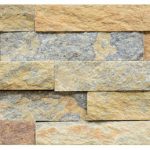
Introduction:
In the world of architecture and design, the facade of a building holds immense significance. It serves as the first impression, setting the tone for the entire structure. Over the years, various materials have been used to create stunning facades, but one that has stood the test of time is cultured stone. With its versatility, durability, and timeless charm, cultured stone facade continues to be a popular choice among architects, designers, and homeowners alike. In this article, we will explore the many facets of cultured stone facade, discussing its composition, benefits, and its ability to transform any building into a work of art.
Section 1: Understanding Cultured Stone Facade
1.1 What is Cultured Stone?
Cultured stone, also known as manufactured stone or artificial stone, is a man-made product that replicates the appearance of natural stone. It is composed of cement, aggregates, and pigments, carefully crafted to emulate the texture, color, and shape of various types of stone.
1.2 The Composition of Cultured Stone
Cultured stone is typically made by pouring a mixture of cement, lightweight aggregates, and coloring agents into specially designed molds. The molds are created to resemble the desired type of stone, such as limestone, granite, or slate. Once the mixture has been poured, it is cured and then removed from the molds, resulting in a durable and realistic stone-like material.
Section 2: Benefits of Cultured Stone Facade
2.1 Versatility and Design Options
One of the key advantages of cultured stone facade is its versatility in design. Due to its manufacturing process, cultured stone can be created in a wide array of shapes, sizes, and textures, allowing architects and designers to achieve unique and customized looks for their projects. Whether it's a rustic countryside aesthetic or a sleek modern design, cultured stone can be tailored to fit any architectural style.
2.2 Cost-Effectiveness
Compared to natural stone, cultured stone facade offers a more cost-effective solution. The production process of cultured stone allows for the creation of larger quantities at a lower cost. Additionally, the reduced weight of cultured stone compared to natural stone reduces installation expenses and eliminates the need for additional structural support.
2.3 Durability and Longevity
Cultured stone facade is renowned for its durability, making it an ideal choice for external applications. Unlike natural stone, cultured stone is less prone to cracking and chipping, ensuring its longevity and low maintenance requirements. Additionally, cultured stone is resistant to weathering, fading, and discoloration, preserving its aesthetic appeal for years to come.
2.4 Lightweight and Easy Installation
One of the notable advantages of cultured stone facade is its lightweight nature. This characteristic not only simplifies the installation process but also reduces the transportation costs associated with heavier natural stones. The lightweight nature of cultured stone also allows for flexibility in design, allowing for applications on various surfaces, including wood, concrete, and metal.
2.5 Sustainability
Cultured stone facade is an eco-friendly alternative to natural stone. The manufacturing process of cultured stone utilizes a blend of cement and aggregates, reducing the need for quarrying large quantities of natural stone. This results in a decreased environmental impact, making cultured stone a sustainable choice for those seeking to minimize their carbon footprint.
Section 3: Applications of Cultured Stone Facade
3.1 Residential Buildings
Cultured stone facade has been widely embraced in residential architecture due to its ability to enhance the overall aesthetic appeal of a home. Whether used to create an eye-catching accent wall, a grand entrance, or as a complete exterior cladding solution, cultured stone adds a touch of elegance and sophistication to any residential structure.
3.2 Commercial Buildings
The versatility of cultured stone makes it a popular choice for commercial projects as well. From Stepping stone enhancement for property value to retail spaces, cultured stone facade can create a memorable and visually striking impression. The ability to mimic various natural stones allows for the integration of diverse architectural styles, catering to the unique branding and design requirements of each commercial establishment.
3.3 Landscaping and Outdoor Spaces
In addition to building facades, cultured stone is also extensively used in landscaping and outdoor spaces. Whether it's creating stunning pathways, garden walls, or outdoor fireplaces, the durability and aesthetic appeal of cultured stone make it an excellent choice for achieving a seamless integration between the built environment and the natural surroundings.
Section 4: Maintenance and Care
4.1 Cleaning and Maintenance
Cultured stone facade requires minimal maintenance compared to natural stone. Regular cleaning with water and mild detergent is usually sufficient to remove dirt and debris. Additionally, sealing the surface of the cultured stone can further enhance its longevity and protect it from staining.
4.2 Repair and Restoration
In the event of damage, repairing cultured stone is relatively simple. Cracked or chipped stones can be replaced individually, ensuring a seamless repair without the need for extensive reconstruction.
Section 5: Cultured Stone Facade: A Timeless Solution
Cultured stone facade has proven to be a timeless solution for architects and designers looking to create visually stunning and durable exteriors. Its versatility, cost-effectiveness, and ability to mimic natural stone make it a preferred choice for projects of varying scales and architectural styles. With proper care and maintenance, a cultured stone facade can maintain its aesthetic appeal for decades, standing as a testament to the enduring beauty and charm of this versatile material.
Conclusion:
The use of cultured stone facade has revolutionized the field of architecture and design, offering endless possibilities for creating remarkable exteriors. Its ability to replicate the appearance of natural stone, coupled with its durability, versatility, and cost-effectiveness, makes it an ideal choice for residential and commercial projects alike. As the demand for sustainable and visually striking building materials continues to grow, cultured stone facade stands as a timeless solution, enabling architects and designers to transform any structure into a work of art.